
Watching four children walk up stage to express love for their father, in tears, broke me a little today. Two of the girls were engaged and had lost their dad just before their weddings. Everyone was in tears, and what they loved most about the man who passed away was his love for gathering with others and creating spaces where people enjoyed each other’s company.
I knew it was true because I’d experienced it from him, too. He was always interested in meaningful conversation and as his daughter said, “He made me feel like I was the smartest woman in the room.”
What a beautiful thing for a daughter to be able to say.
But what can we all do to create the same sense of love and belonging as he did?
I love birthday parties where we all gather in a circle and take turns sharing what we love about the birthday person.
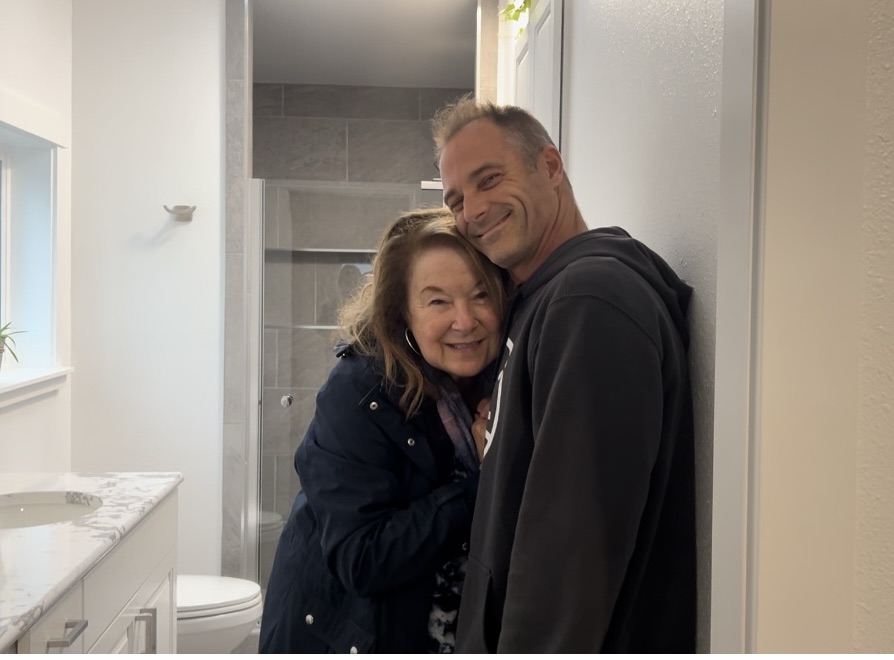
Usually, he or she is squirming—and I wonder why we are all so uncomfortable with encouragement, as if perfection was needed before we accept that we truly are a blessing in so many ways.
We usually hear most of the good about someone at their memorial service when they are no longer there to hear it. There’s not a person on earth who doesn’t need to know they are needed, loved, and valued while they’re living.
It hit me, this thing of living as if we were dying. Someday, I’ll be in the grave. I have four children, too.
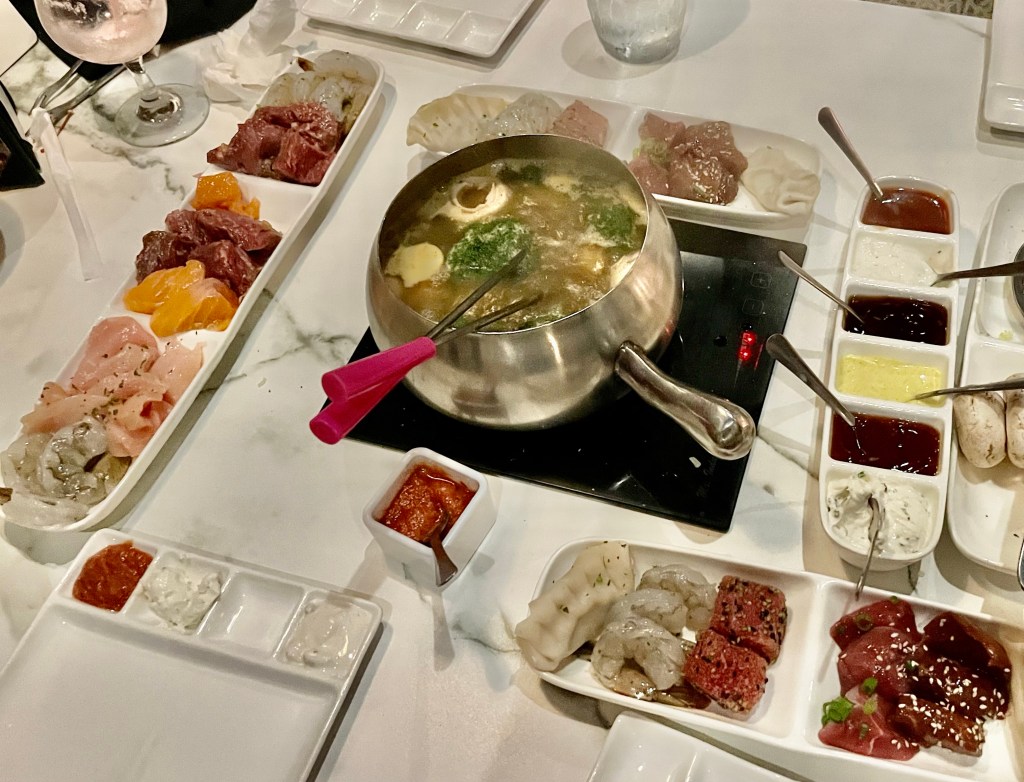
I bought a house yesterday, then called my oldest daughter last night to check in on her. A mother’s nest is never empty, even after her babies have flown. “What are you doing this weekend, and do you want to join the other kids and I to have dinner at the new house, and just hang out there together?”
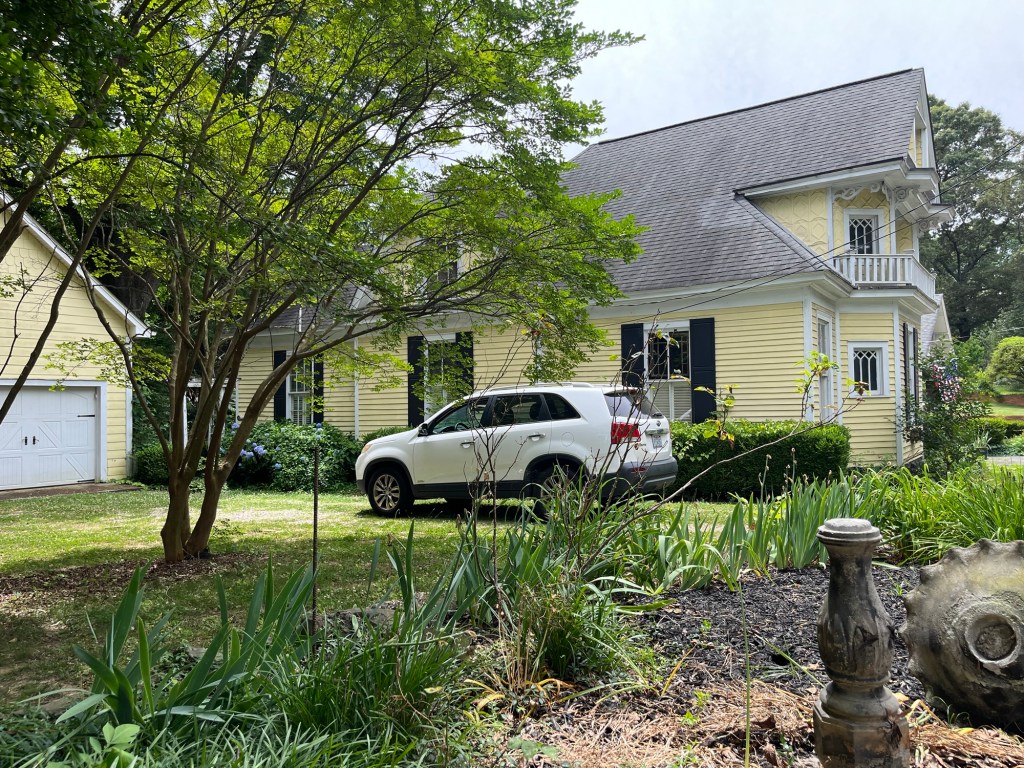
She jumped on it. And I remembered a week prior that she’d asked me to please invite her to do things with us. I’d been a little surprised because I thought she knew how much she was loved and wanted in this family—by her mother, especially.
I agreed quickly. She was twenty years old, and I wanted my ceiling to be her floor. If she never had another woman wanting her to pass her up and go far beyond, she’d have that from her mother. And I always wanted her around. But, she needed to hear it.
The man who passed away had been able to travel and do expensive things, but I’m a single mom. Often, as I’m working, I open Instagram to see my friends flying to other places of the world with their husbands, relaxing by turquoise colored waters with a margarita in hand. Sometimes they’re surrounded by happy children—and I think of my own, and how I want to give them all the above, too.
I may not be flying to the Bahamas, but I can order pizza and gather my kids into the new kitchen that’s actually 118 years old. I won’t hear my daughter express excitement over flying to Europe, but I’ll hear her say, “I can bring my own children to this house someday” and I realize that creating home for children even after they’re adults is far more meaningful than being able to fly to another country for a week or two.
We’ll always look back and laugh over the days we drove six hours in one day to have about the same amount of time at Wilmington Beach. How we’d pack sandwiches so we wouldn’t have to buy coastal food, and how we’d head three hours home when we wanted to head to the closest hotel room over looking white sand and crashing blue waves.

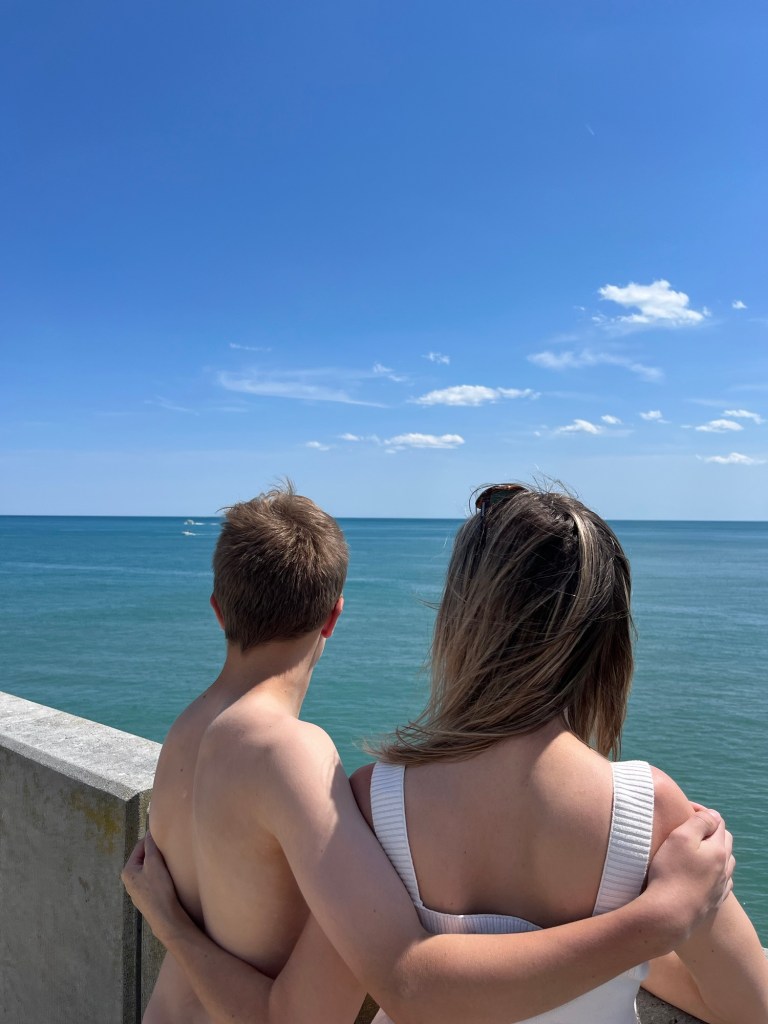
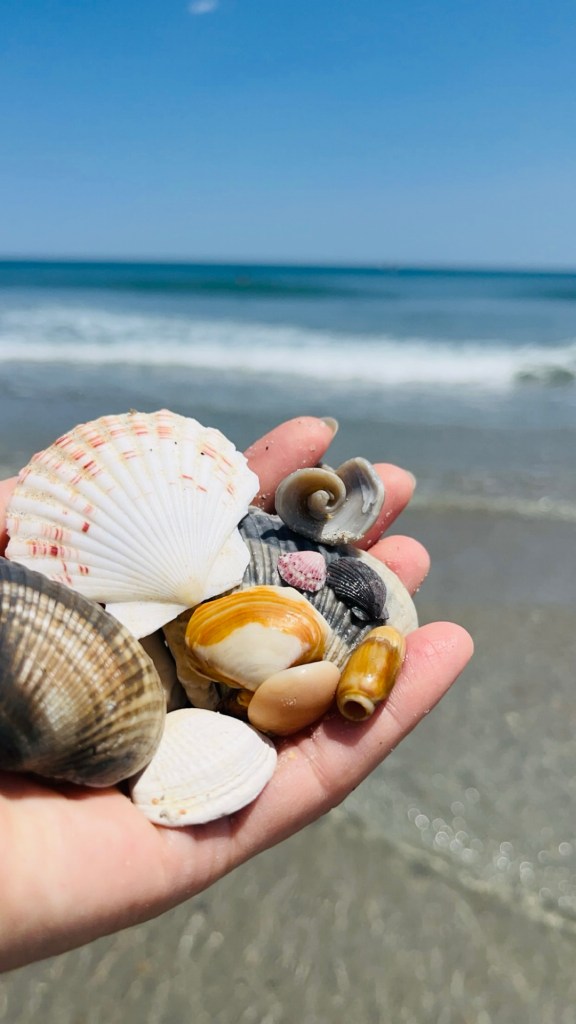
We won’t be sinking into soft white pillows to the sound of waves; we’ll be driving through the sunset with sand between our toes and the younger kids falling asleep brown from the sun and stomachs full of ice cream because we decided to spend at least a little bit of money that day.
What will matter is that we gathered, we laughed, we expressed appreciation for each other. And here’s the thing, mamas out there—your sixteen year old may gripe about the food in your pantry but when she’s twenty, she’ll re-word her complaints into “I can’t believe I used to gripe about your food, mom. You bought food for four children and I’m just feeding myself.”
Parents, don’t compare yourselves to others who can do more. Like Mary did when she poured ointment on Jesus’ feet, let’s do what we can with what we have. When Mary was criticized and told she should have done something different with her oil, Jesus told the critics to leave her alone, and said, “She has done what she could.” (Mark 14:8)
Some of us don’t do what we can do because we’re focused on what we can’t do. I want us to live fully and take what we have with both hands, hold it, ponder it, and then give it out—first of all to our families, then to those around us.
Let’s live as if we’re dying—because one day, our tongues will be silent and our hands will be still.
I want us to gather as if tomorrow was the last day we were able to see others.
I want us to steer conversations into words of life that give grace to those who hear them.
I want us to live FORWARD because we know the Father of mercies, the God of comfort, and the Spirit of healing and hope.
Let’s not wait for a memorial service to express appreciation for each other; let’s live as if we are going to die.
Because we often say, “I’d be willing to die for you.” Can we say with equal confidence “I’m going to live for you”?
Because only in living well can we die well. And only in dying to ourselves, can we truly live.
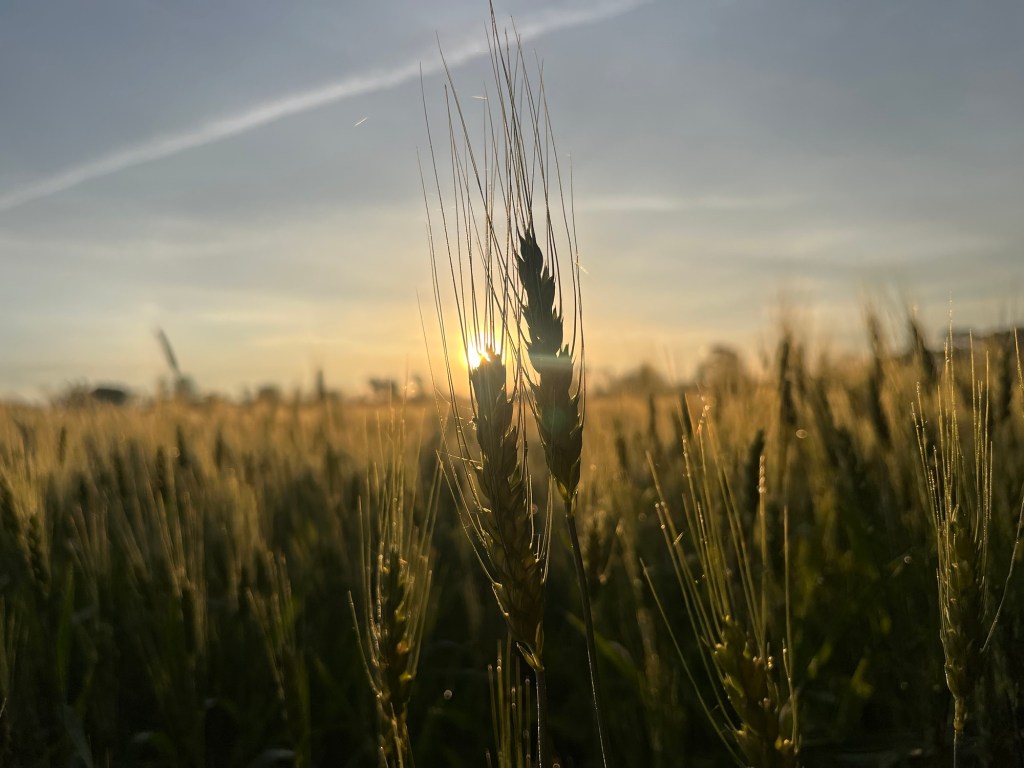
“Except a grain of wheat falls into the earth and dies, it remains alone; but if it dies, it bears much fruit.” John 12:24, ESV

 Women of Purpose