
I always feel badly for people who fast, and I’m like, “Don’t tell me you’re fasting because I’ll feel sorry for you all day long—or days long.”
And because life often takes more energy than I have, the last several years I’ve focused on keeping my physical energy by feeding my body. The amount of meals I eat just to keep energy has me telling sister that I wish we’d be neighbors so she could feed me (best cook ever!) and I could return the favor by cleaning her house.
So it took extra courage to start the year with a ten day fruit and vegetable fast. I struggled. I spent hours more on the couch. I watched “Alone”, which is a documentary on men surviving in my beloved Pacific Northwest with no food sources except what’s around them in the sea and forest.
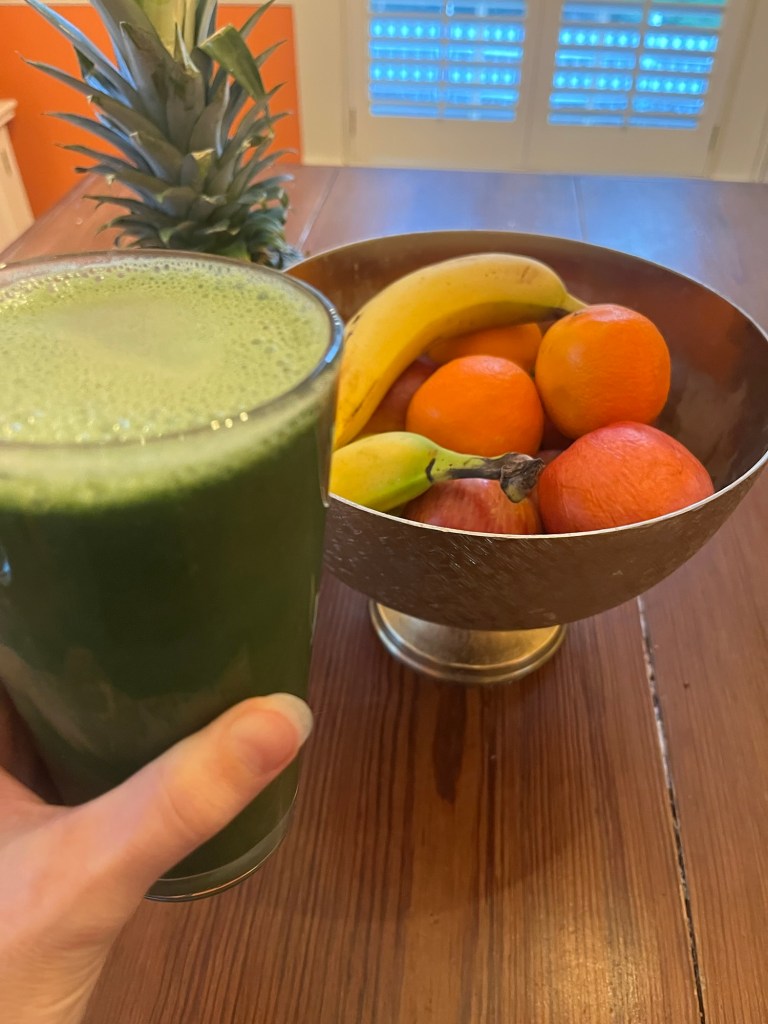
I knew I wasn’t as hungry as they were, but it felt like it. Day after day, I’d do my work then crash on the couch as my body adjusted and my spirit became more and more clear.
I woke praying one day, asking God what He wanted to speak to me. What did I need to rid my life from?
He nailed it. In difficult conversations, I didn’t actively listen enough. Thus began a deeper journey into how to love people better.
I thought I was a good friend, a good listener—but I also knew that in stressful situations my heart would squeeze tight with stress and I tried to remedy that with words that I hoped would help and eliminate the stress of the conversation.
In doing so, I’d transfer something onto another person that didn’t feel like love or care—even when that’s exactly what I wanted to be or show.
Here’s the thing about real grace—it’s free, yet was bought with a price. And something that expensive, given to us freely, is made to change, renew, restore a person into something better.

The oxymoron of accepting an expensive gift while putting it on the shelf for a later date (heaven) should strike us hard. The gift of grace is meant to draw us to our knees in repentance, allowing the light of it to shine onto places that are yet dark in our lives.
I repented of not listening better, the other day. I apologized to a friend who was on my heart. And I walked toward people rather than away from them.
I’m not good with conflict, but God is good, and He came to change atmospheres. Active listening is the best way to show someone you love them, yet most of us are good at actively speaking our own thoughts rather than actively hearing another’s heart.
It doesn’t matter if you’re right or wrong–because sometimes being understood is far less vital than making sure another feels heard. First, just listen with your presence.

The awesome thing about Grace is this—when heaven sheds its light onto something you’ve failed in, it also sheds its awareness of how you could grow.
Every time the Spirit of Christ nails something in me, I’m aware of deep, deep Love reaching out to heal, restore, change, and bring me to better things.
I feel safe with God even when I know I’m not representing Him well, and He has to create grief in my soul over it. “Godly grief produces a repentance that leads to salvation without regret, whereas worldly grief produces death.” (2 Corinthians 7:10, ESV)
See this—there’s no grief in Godly sorrow because it leads us to things that will save us, and bring salvation to others.
Our post modern, humanistic culture teaches us that we are enough, and that we should love ourselves the way we are. Friends, I’m here to tell you something different. We are not enough, and sometimes we’re actually quite messed up.
And if you expect your people to be enough, you’ll be disappointed because they will fail you, hurt you, and be less than you need.
But when we understand grace we can’t carry the weight of humanity’s mess any longer. The cross still stands, and it still eradicates sin, and when you can care deeply about a person and be unable to carry offense, you know that Grace has indeed won in your soul.
Fasting made God’s voice clearer. Things I knew before, I now really knew.
I had to give myself the same grace I wanted to give others. Rather than say, “Man, Sara, that was really dumb”, I needed to say, “Lord, I failed. Thank you for loving me and forgiving me. Thank you for showing me a better way.”
I realized, as I accepted Grace, that I was unable to carry the weight of it. Christ set me free.

The goal is to be spiritually, socially, emotionally, and relationally mature. We work hard at it—and yet, we have those areas God shows us are not aligned to love. Here, we get to bow before the cross and allow Grace to seep into our bones and marrow, changing who we are and what we are.
We extend the same grace to others. Most people don’t want to be mean or ill spoken. Most are just humans making mistakes, often born out of their own pain. And when a person is truly cruel, God will deal with him in his own time and way.
In the end, the universe needs Grace—this unmerited favor thing, this free yet costly thing—this counter cultural, life changing, heaven embracing thing that will change us if we truly receive it.
To celebrate Grace, here’s a book—because all of life takes reminders of how to bring Grace into the rough places and allow it to change atmospheres.
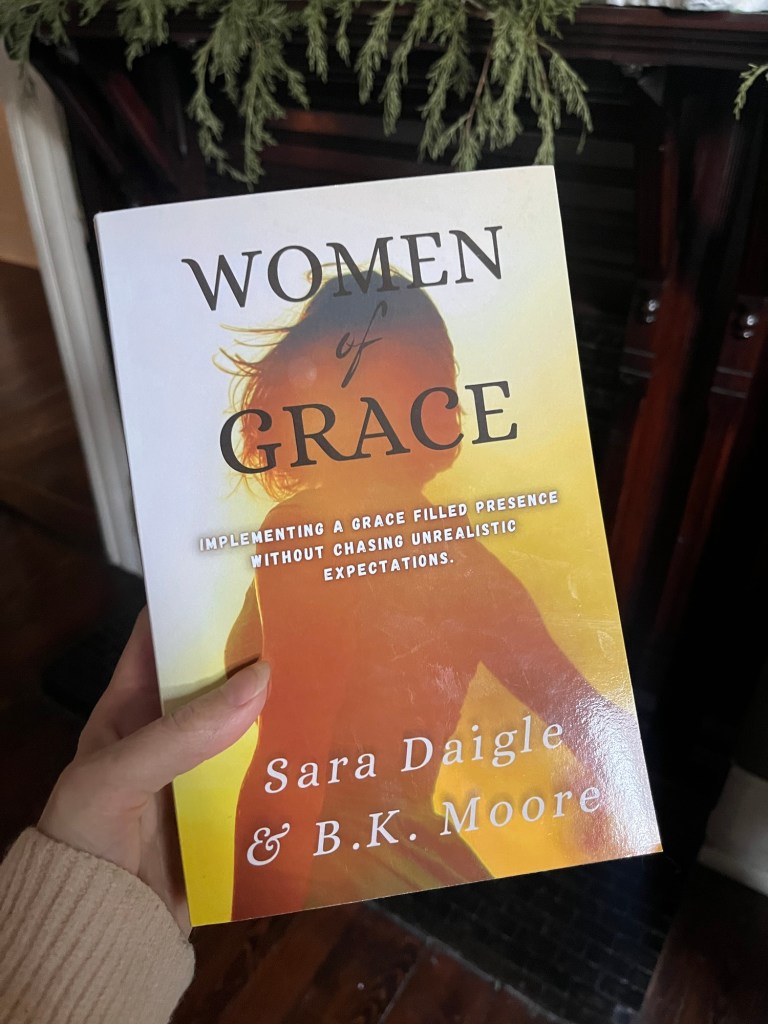
The blackened salmon salad today is great—but Grace is even better. Cheers to 2025, being renewed, restored, and living Grace.
Much love,
Sara

 Women of Purpose
Sara- you have done it again! Undone long and hard knotted parts of me. I love your writing deep and wide and am counting the moments until I get your book in my awaiting hands and heart!
LikeLike
Thank you Jennifer! I loved your book, too:)
LikeLike